Understanding Length Breadth Height in Design and Creativity
When we think about design, whether it is furniture, architecture, or even the way we arrange objects in a room, three fundamental dimensions always come into play. These are length breadth height. These three words might sound like simple measurements, but when combined, they form the basis of how we see, use, and experience space. Every product, every structure, and every crafted object relies on these three dimensions to come alive.
The Meaning of Length Breadth Height
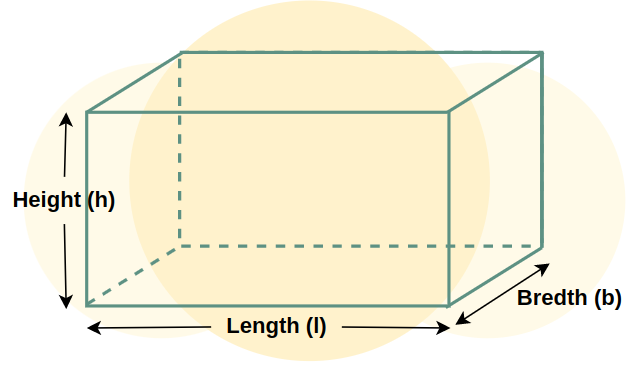
Before diving deeper, let us break down the meaning of each term. Length refers to how long something is, breadth shows how wide it stretches, and height tells us how tall or elevated it stands. When you combine these three together, you create the complete shape of any physical object. Without length breadth height, nothing in our world would have a defined form.
Importance in Furniture Design
One of the industries where these dimensions matter the most is furniture design. A chair is not just wood and fabric put together. It has a carefully measured length for comfort, a balanced breadth for stability, and the right height to support the human body. Studios that focus on furniture design, such as the one based in Ahmedabad called Length Breadth Height, draw inspiration from surroundings, natural materials, and cultural influences. The choice of length breadth height in their work makes every piece functional yet beautiful.
Connection Between Measurements and Comfort
Think about sitting at a dining table. If the length is too short, fewer people can sit comfortably. If the breadth is too narrow, serving dishes might not fit. If the height is either too high or too low, it causes discomfort. This simple example shows how length breadth height shapes our daily experience with furniture. Designers always pay attention to these factors so that comfort and utility blend naturally.
Cultural Inspiration and Dimensions
Dimensions are not just numbers on paper. In many cultures, proportion and symmetry carry deep meaning. Traditional crafts often rely on fixed ideas of length breadth height to ensure balance and beauty. In India, for example, temple architecture and handcrafted furniture often use specific proportions that reflect harmony. A design studio that values culture and natural surroundings will interpret these dimensions in a way that feels timeless and connected to heritage.
Length Breadth Height in Architecture
Beyond furniture, length breadth height is equally important in architecture. Buildings need proper length for functionality, breadth for spaciousness, and height for elegance. A home with small breadth might feel cramped, while one with towering height can feel open and majestic. Architects study how these three dimensions affect not only the structure itself but also the emotions of the people who live inside.
Modern Approach to Design Dimensions
Today’s design philosophy does not see length, breadth, and height as separate entities. Instead, they are blended with technology and creativity to create experiences. Digital tools allow designers to visualize different combinations of length breadth height before finalizing the product. This modern approach helps avoid mistakes and ensures that the end result is practical, aesthetic, and durable.
Natural Materials and Their Relation to Dimensions
Studios like Length Breadth Height often work with natural materials such as wood, stone, and fabric. These materials have their own textures and properties that influence measurement decisions. For example, wood planks come in certain lengths and breadths, which may guide the design. The height of a stone block or the stretch of woven fabric can change how an item is created. Understanding how natural resources interact with length breadth height makes the final product authentic and sustainable.
Everyday Examples of Length Breadth Height
We might not notice it daily, but these three dimensions affect everything around us. The smartphone in your hand has a length, a breadth, and a height that together make it easy to hold. The bed in your room is designed with perfect length breadth height to match human body proportions. Even a small cup has these three dimensions balanced to hold liquid efficiently. Without realizing it, we interact with these measurements in every action of our life.
Creative Exploration Through Dimensions
Designers and artists often push the boundaries of dimensions. They play with exaggerated height to create a sense of grandeur, or they use extended breadth to add stability. By manipulating length breadth height, they can change how we perceive an object. A chair that looks slim may actually be strong because of how its breadth and height are balanced. Such creativity proves that dimensions are not fixed limits but opportunities for innovation.
Role in Sustainable Design
Sustainability has become a core value in design. Choosing the right length breadth height helps reduce material waste and makes furniture more efficient. For instance, cutting wood in specific lengths and breadths reduces leftover pieces, while adjusting height ensures long-term usability. Studios that prioritize eco-friendly practices use dimensions carefully to support both design and the environment.
Future of Length Breadth Height in Design
As technology grows, the role of length breadth height will expand further. Virtual reality and 3D printing already allow designers to experiment with these measurements in real time. Customers can preview how a sofa or table will look in their space, adjusting length, breadth, and height instantly. This interactive future proves that while the three dimensions are ancient concepts, their applications continue to evolve.
Conclusion
The concept of length breadth height goes far beyond simple measurement. It represents the foundation of design, comfort, culture, and innovation. Whether in furniture, architecture, or daily life, these three dimensions shape our world in visible and invisible ways. A studio that understands the value of length breadth height, like the one in Ahmedabad, shows how blending natural materials, cultural inspiration, and precise dimensions can create objects that feel both timeless and modern.
In the end, every chair we sit on, every room we enter, and every object we touch is defined by one simple truth: length breadth height gives shape to life itself.